
Colorado Rules & HOAs
Denver Historic District Fence Rules Before You Order Boards
FenceOwl Team · October 21, 2026 · 9 min read
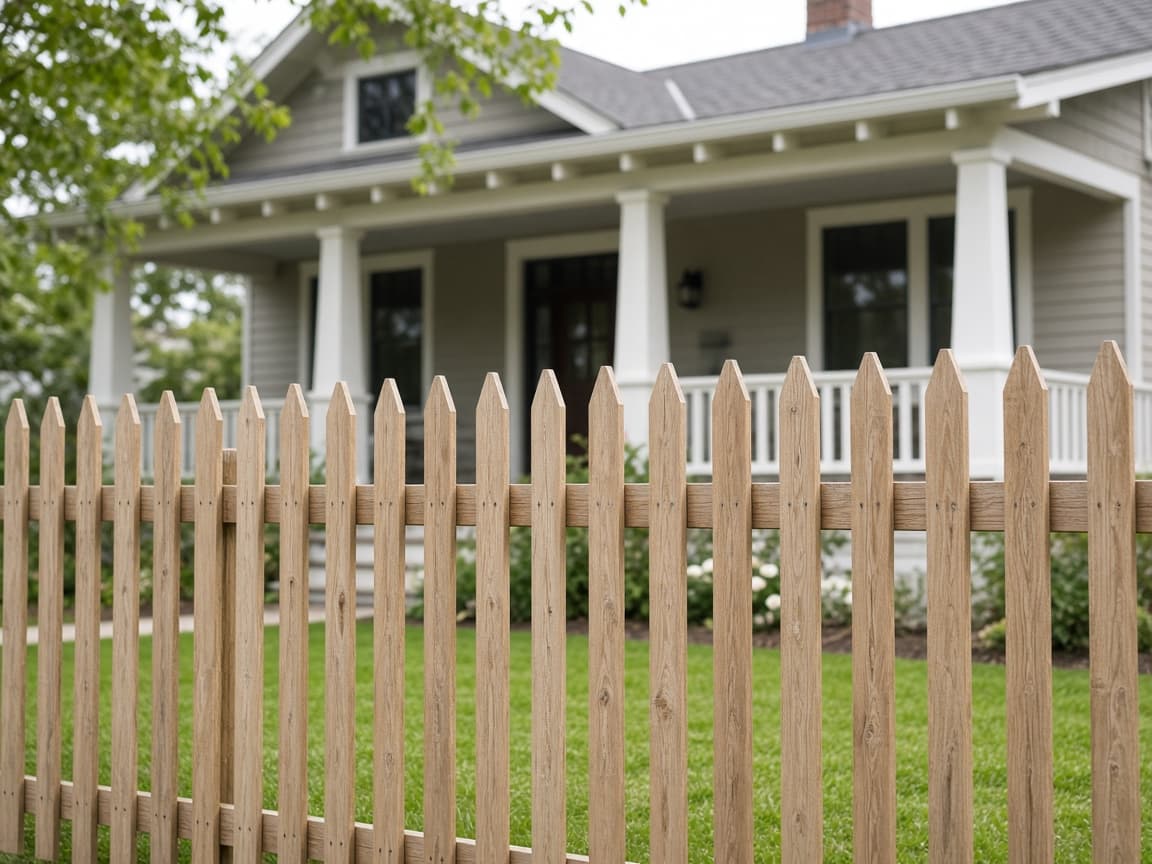
A Denver historic district fence is a design review, not a trip to the lumberyard. Landmark Preservation reviews fences on every individual landmark and on every property inside a historic district, including a short front-yard run. That page says front-yard fences may not be higher than four feet and must be more than 50 percent open. Rear-yard fences may not be higher than six feet and may be solid. Vinyl, PVC, and chain link are not allowed in most historic districts and on most individual landmarks. This guide is how to check the lot, what the design guidelines ask for, and what you upload. It is not a permit. Confirm the address with the city before anyone orders boards.
Check the map before you plan a Denver historic district fence
Start with the address, not with a photo from another block. Denver's Historic Landmarks and Districts map draws historic districts in orange with dotted outlines. Individual landmarks are black dots. If you search an address, a popup about an individual landmark may not appear on its own. Click the black dot. When the dot is unclear, the map page says to write landmark@denvergov.org.
The city also publishes a list of landmark districts. Baker, Curtis Park, Potter Highlands, Wyman, Lower Downtown, and La Alma Lincoln Park are on it. So are parkways, civic sites, and small street districts. A name on that list is a boundary, not a fence style. Two districts can sit a few blocks apart and still use different notes.
A house can be an individual landmark without sitting inside a district. The review still applies. A house next door that is neither a landmark nor inside the orange line is a different job. Do not copy it.
Fence estimates in Denver start when you trace the line you mean to build. Draw the street, the alley, and the gates, then say whether the map put the lot in a district or on a landmark dot.
Front yards stay low and open
Four feet is the front-yard maximum on the landmark fences page, and the fence must be more than 50 percent open. Chapter 5 says the same idea with more tests. Guideline 5.3.3 asks for a new front-yard fence that is simple, open, and low, unless taller fences are already typical of that district. The maximum should be 48 inches or less. Use a simpler version of a fence the block already has. Use historic fence materials already there. Do not use vinyl or other nontraditional materials, and do not install an opaque fence.
A wood picket fence is one open, low way to meet that test when the block already uses wood. Ornamental iron belongs in the conversation when the district already has metal. Aluminum is open metal too, and the guidelines do not list it by name. Ask before you treat it as iron. Vinyl privacy is the solid panel the page usually rules out. A vinyl fence on a newer block is not a sample for this one.
Chain link is not one citywide answer. The landmark page says it is not allowed in most districts and on most individual landmarks. Guideline 5.3.2 says to keep an original wire fence when it is a character-defining feature, and that a new chain link fence is not allowed. Guideline 5.3.3 says not to install a new chain link fence in the front yard. La Alma Lincoln Park's chapter names wire, cast metal, wood picket, or chain link in the front yard, and it still bans vinyl. That note is for La Alma. Galvanized chain link stays off the order until your own chapter says it belongs.
The front yard is the area in front of the primary street-facing facade, often the wall with the front door. A run in front of that wall stays on the front-yard rules.
The rear fence starts behind the front corner
Rear-yard fences may be solid, and they may not be higher than six feet. Guideline 5.3.4 says to put the return behind the front corner of the historic house, on the traditional lot line, at a traditional height. Simple iron or a wood fence, solid or open picket, is the type the guideline names. Boards may run vertical or horizontal. Stone, brick, or stucco only when that wall already fits the house and the district. A dog run should be concealed from the street.
A solid craftsman cedar privacy fence is a rear-yard question, and only when that district treats solid wood as traditional. La Alma's note is stricter about the return: at least one foot behind the front corner. It also names wood privacy or chain link for the rear. Read your chapter. The next street is not the chapter.
A rear fence over six feet and under eight needs photos from at least three neighboring properties, with a measuring tape on the fence and the full measurement visible, showing that fences taller than six feet are common. Those photos let the city consider the height. They are not an approval.
The landmark review still sits next to a permit. Denver's fences page requires a permit at any height in a historic district or on an individual landmark. When a Denver fence permit applies is the zoning permit and the building permit. After design review, staff issue a certificate of appropriateness, and that certificate is filed with the permit that follows.
Repair what is already historic
Guideline 5.3.2 says to repair a historic front-yard fence, site wall, or retaining wall where it is part of the context, and to replace only the portions that have deteriorated. Keep the character of the original mortar joints. Keep an original wire fence when it defines the district. Guideline 5.2.2 says not to add a feature that pretends to be historic. A simpler version of a fence the block already has is the ask. A full tear-out is a choice, and the site plan has to show what you will keep.
A Denver Hill changes the wall
The design guidelines describe a Denver Hill, also called a Denver Roll, on a number of historic districts: a front yard raised above the sidewalk, with a steep slope at the walk and a flatter yard above. On an individual landmark, a retaining wall may not remove that hill when it is a character-defining feature. Chapter 5 prefers the grassy slope. Where the slope is unstable, it points to plants or a subterranean wall before a tall wall that levels the lot. The drawings also show a low open fence at the top of the slope, terraces, and a low kick wall.
In a district, guideline 5.3.6 allows a kick wall up to one foot, a terrace, or a taller wall only with a landscape buffer between the wall and the sidewalk. The wall still has to meet zoning and right-of-way rules. A simple open fence, no more than four feet high and more than 50 percent open, may sit on top of or just behind that front-yard wall if it does not hide the house. Piers between sections and at corners stay at four feet above grade.
Fence-only work may use landmark quick review when it meets the guidelines. The city says those applications are typically processed within a few business days after a complete packet arrives. A fence tied to a retaining wall is not on that path.
Parkways and Lower Downtown use another book
A designated parkway adds Denver Parks and Recreation, even when the house is already in a historic district. The parkways page says the setback starts at the property line, not the curb, and the distance depends on the segment. The building-line policy allows no fence in the right-of-way. A fence reviewed in that setback is four feet or less, at least 75 percent open, in masonry, wood, wrought iron, or metal bars up to one and a half inches across. A column wider than six inches is only at a corner or an entry, and it may not exceed 12 inches. The parkway design guidelines say a fence inside the setback needs a waiver from the parks manager. A landmark approval is not that waiver.
Lower Downtown uses the public-realm section of its own design guidelines, not only Chapter 5. The landmark fences page points there. Open that book if the map puts the lot in Lower Downtown.
What goes in the certificate of appropriateness
In e-permits, choose Landmark Certificate of Appropriateness. Sign in, open Development Services, and apply for a permit. Use the full checklist, or the landmark quick review checklist when the fence qualifies.
The page wants a dimensioned site plan, elevations that note height and materials, and details that label color, finish, and profile. Current color photos of the work and the street facade go in the drawing set, or as a jpeg or a pdf, at least 300 dpi or four by six inches. Label them north, south, east, or west. Front, side, and rear are not accepted labels. Thumbnails, email photos, and a link to a shared folder are not accepted either.
Stay off the sidewalk, and call before you dig
Denver's fences page says the fence stays off a neighbor's lot and out of the right-of-way, including the alley, the sidewalk, and the tree lawn. Every fence sits at least six inches back from the public sidewalk. Measure from the concrete. Denver alley fence rules cover the sight line at a corner or an alley opening.
Colorado 811 says every owner contacts them before digging, including fence posts. No dig is too small, the public locate is free, and private lines such as sprinklers are not on the ticket. Wait at least three full business days and track the ticket. The same page says state law requires notice at least two full business days ahead, not counting the day you call. Use the longer wait.
An association is a separate yes. HOA fence approval follows the declaration. That letter does not file the certificate of appropriateness, and the certificate does not approve a material the covenants ban.
The quote should match the review
Length, the height change at the front corner, the gates, and a material the district can accept are the facts on the drawing and on the quote. How an estimate works is short. Trace the yard, pick a style, tell us where to send it, and the number shows then. What drives the fence cost in Denver is that line, plus tear-out, access, and digging. Say the house is in a district before the style is locked. Contractors on FenceOwl are vetted, insured, and family-owned.
Questions homeowners ask
Does a short fence in a Denver historic district still need review?
Yes. Landmark Preservation reviews fences on individual landmarks and inside a historic district. The city's fences page says any fence in those places needs a permit, at any height. A fence under four feet on an ordinary lot is a different rule.
Can I use vinyl or chain link?
The landmark fences page says vinyl, PVC, and chain link are not allowed in most historic districts and on most individual landmarks. The design guidelines also say not to use vinyl or other nontraditional materials, and not to put a new chain-link fence in the front yard. Some districts write their own materials list. La Alma Lincoln Park is one of them. Read your district before you order.
How tall can the front-yard fence be?
The landmark page says front-yard fences may not be higher than four feet and must be more than 50 percent open. Chapter 5 says the maximum front-yard height should be 48 inches or less. Rear-yard fences may not be higher than six feet and may be solid. Confirm which wall is the primary facade before you split the heights.
What is a Denver Hill?
The design guidelines describe a Denver Hill, also called a Denver Roll, as a front yard raised above the sidewalk with a steep slope at the street edge. On an individual landmark, a retaining wall may not remove that hill when it is a character-defining feature. A fence tied to a wall is not eligible for landmark quick review.
Does landmark approval replace the zoning permit?
No. After approval, Landmark staff issue a certificate of appropriateness, and that certificate is filed with the zoning or building permit. If the block has an association, that review is separate too. One yes does not file the others.
City pages
See the number for your yard
Draw the line, pick a style, and tell us where to send it. The price shows on the next step.
Get a REAL quote for your Denver fence project in seconds.