
Costs & Planning
How Much Does a Fence Cost in Denver? What Drives the Price
FenceOwl Team · October 10, 2026 · 9 min read
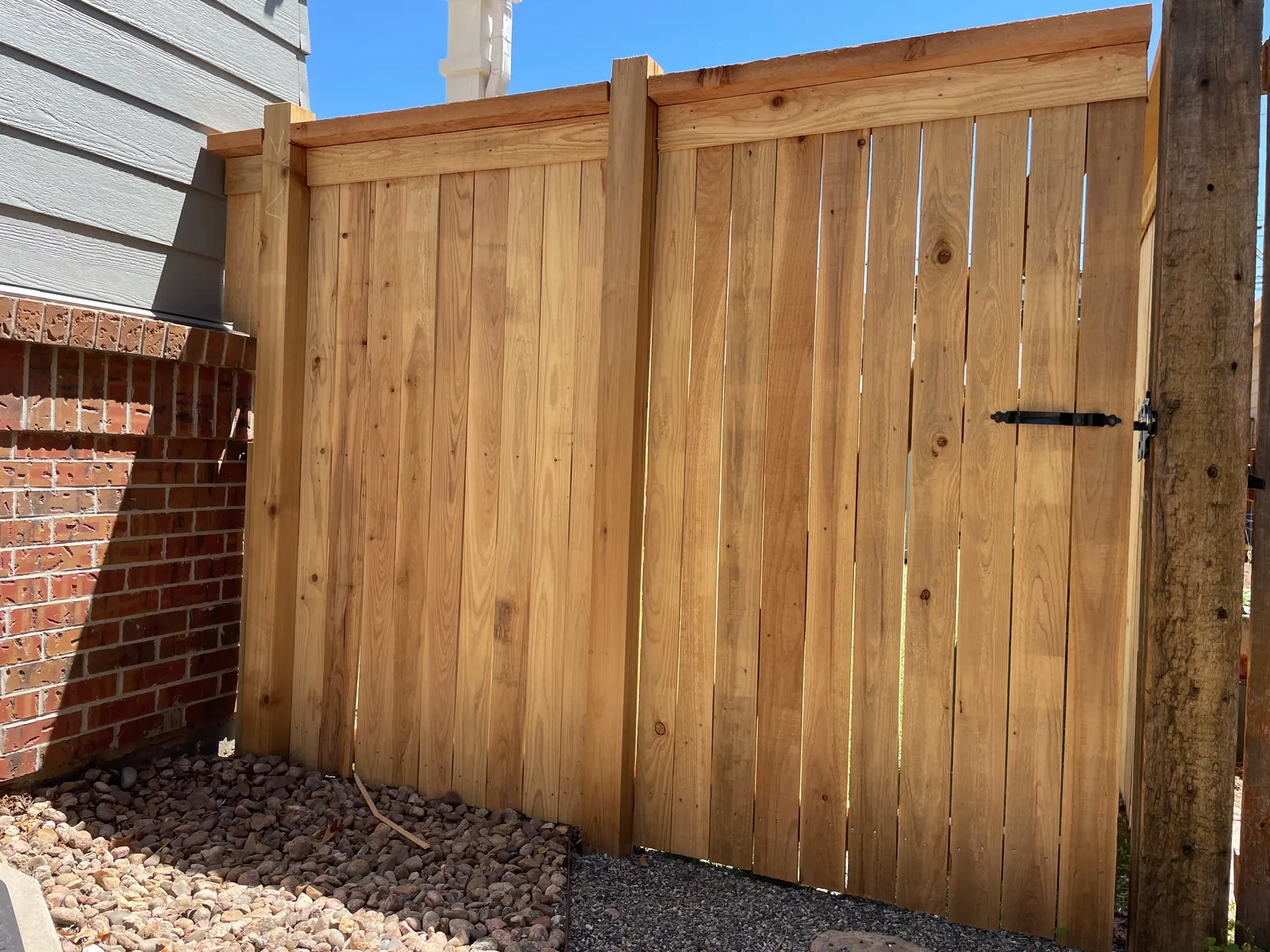
The fence cost in Denver is not a single figure you can copy from a neighbor. Length, the style, the gates, the digging, and whether the city or an HOA has to sign off all change the job. This guide covers those factors. The number for your lot shows up after you tell FenceOwl where to send it.
What drives the fence cost in Denver
A Denver quote is a stack of choices. The same style on a flat Washington Park side yard and a tight Baker alley is different work, because the ground, the access, and the rules differ. Fence estimates in Denver start when you trace your own line.
These are the pieces that move a job:
- How many feet you need, and how many corners and gates break that line
- The style, from a front-yard picket to a solid privacy fence
- Height, and whether the street side has to stay lower than the alley side
- A zoning permit, and extra review on a landmark block
- Digging: frost, rock, roots, and utility marks
- Tear-out of an old fence, and whether a crew can reach the line
None of those is a price by itself. Together they are the job.
Length, corners, and gates
The line is the spine of the job. A long run on a straight rear lot is simpler than a short run that turns around a garden, a patio, and a garage. Each corner is another post, and each post is a hole. A gate is different work from a panel: hinges, a latch, and a frame that has to stay square after the first winter.
A walk gate lets a person through. A drive gate has to clear a car, and it usually needs a heavier frame. If the gate sits on a slope, the crew decides whether the leaf swings uphill or downhill. Count the openings before you fall in love with a picture. The estimate asks for those counts so the number matches the yard you have.
Old Denver lots do this in a particular way. Capitol Hill and the Highlands often have a short street front and a longer side toward an alley. Park Hill and Washington Park side yards can be long and straight. Draw your line. A typical block is not your block.
Style and material
Style is the next big fork. A spaced wood picket marks a front yard and lets light through. A solid craftsman cedar privacy fence closes a side yard or an alley. Cedar dog-ear privacy is the more familiar board-and-cap look. They are all wood, and they are not the same fence.
Wood in Denver lives with sun, hail, and a dry wind. Cedar is a common side-yard choice, and it still needs a finish if you want the color to stay even. A west-facing run gets more afternoon sun and more hail. The finish, and the face you show the weather, belong in the conversation.
Vinyl privacy skips the restain weekend and holds color when a stain would fade. Composite boards, including Trex and similar capped products, sit in that same family: less finish work, a heavier board. Aluminum and ornamental iron stay open, so you can see through them. They suit a frontage where a solid wall would feel like a fort. Neither one is a privacy fence.
Galvanized chain link and black vinyl-coated chain link mark a line and leave the view open. On a landmark block they are often off the table. Split rail is the open wood fence for a larger edge, not a Capitol Hill alley.
A street frontage is usually a lower, more open fence. A side or rear run can be solid. Mixing them on one lot is normal. The visit is where a crew confirms the transitions.
Height, the front yard, and a landmark block
Denver does not treat every edge of a lot the same. The city's fences and walls page says that, outside industrial areas, the maximum is four feet in the front yard and six feet in the backyard. Taller fences need a specific approval under the zoning code. A corner lot also has to keep the view of traffic clear. An alley is often treated more like a rear yard than a front yard, and you should confirm which edge is which before you order boards.
That height split changes the fence, not just the paperwork. A four-foot front fence is a different look from a six-foot privacy run. On a Denver street face, a tall wrap is usually in the way of the code. The honest plan is a lower front and a taller side and rear.
When the city wants a permit
The same city page says fences over four feet need a zoning permit. Fences shorter than four feet generally do not, unless the site is a landmark or has historic status. Post-hole fences need a building permit when they are taller than eight feet. Other fence types, such as masonry, need a building permit when they are over four feet. Walls, including short retaining walls, have their own rule. If your project is "just posts and boards" under the height limit, ask anyway if the house is in a historic district.
Permits add time and a drawing. Denver's homeowner instructions ask for a site plan: property lines, structures, the fence location, the material, a side view that shows the height, the streets, a north arrow, and the length. That packet is part of the job. Skipping it is how a finished fence becomes a violation.
Landmark and historic districts
If the house is an individual landmark or sits in a historic district, Landmark Preservation reviews the fence. Front-yard fences may not be higher than four feet and must be more than half open. Rear-yard fences may not be higher than six feet and may be solid. Vinyl, PVC, and chain link are not allowed in most historic districts and on most individual landmarks. Check the district before you get attached to a photo. This page is not a permit.
HOAs, sidewalks, and the property line
Many older Denver neighborhoods have no HOA. Newer infill and a lot of the eastern filings do. An HOA can require a color, a material, or a height under the city's maximum. Ask the association, get the written answer, and hand it to the contractor.
The city also says fences should not sit on a neighbor's property or in the public right-of-way. That includes streets, alleys, sidewalks, and the tree lawn. Every fence and wall has to be at least six inches back from the public sidewalk, no matter where the property line is. Measure from the sidewalk, then confirm the line. A fence on the wrong side of the line gets built and then moved.
Talk to the neighbor before the holes start if the fence shares an edge. Agree on the face, the gate, and who waters the new posts. Write it down if that line has ever been a fight.
Digging: frost, rock, and utility locates
Posts have to go below the frost line so freeze and thaw do not lift them. Denver's building department is the authority on the depth for your lot. This page will not invent a number for it. A shallow hole is not a bargain. A post that heaves leans the whole run, and the repair is a new hole beside a fence you just built.
Ground is not the same across the city. Older blocks can hide brick and foundation scraps. The west side gets rockier toward the foothills. Tree roots slow a crew that expected open dirt. That time is why two similar fences are not the same job.
Before anyone digs, the law wants the public utilities marked. Colorado 811 says you contact them at least three business days before you dig, for a project of any size. The locate is free. It covers public lines such as gas, electric, water, sewer, and communications. It does not cover private lines. Sprinklers, a grill line, or an invisible dog fence will not show up. Denver Water says the rule applies to fence posts, and Denver's locate page says to call before a landscaping project, not only before a foundation.
Within eighteen inches of a mark, the digging is by hand. Build that wait into the schedule. A Friday dig after a Wednesday call is too soon.
Access, tear-out, and the visit
The path to the fence line is part of the work even though it is not a board. A side yard with a narrow gate, a finished patio, and no alley means every post walks through the house or over a deck. An alley lot lets a truck get close. Those are different days.
Taking the old fence down is its own task. Posts set in concrete do not pull like tent stakes. A crew may cut them off or dig them out so the new holes can sit on the same line. Hauling old wood, mesh, and concrete is part of the day. If the old fence is on the property line, agree with the neighbor before it comes down.
A site visit confirms the rest. The instant estimate uses the line you draw, the style, the height, and the gates. The visit checks the property line, the sidewalk setback, the slope, the old posts, and whether a truck fits. How an estimate works is the short version: draw the yard, pick a style, tell us where to send it, then book a time.
Aurora and Lakewood sit next door and use their own permit desks. The factors rhyme. The ordinance does not.
How to get a number for your lot
Guessing from a friend's project is how people plan the wrong fence. Their lot was longer, flatter, already permitted, or already approved by an HOA. Ask for your own line.
Get my free estimate. You draw the fence on a satellite photo, pick a style and a budget tier, and answer a few questions. Tell us where to send it and the price shows then, from a vetted, insured, family-owned contractor. This article stays on the factors. The useful number is the one for your posts, your gates, and your block.
Bring the HOA answer if you have one. If you want to spread the project out, ask about financing on the estimate. The terms come from the contractor's lender. They are not printed here.
A good Denver fence fits the code, the neighbor, the frost, and the way you use the yard. The cost follows that line. Start with the factors on this page, then let the estimate do the math for your address.
Questions homeowners ask
Does this page list a Denver fence price?
No. A real number depends on the line you draw, the style, and the lot. FenceOwl shows that number after you tell us where to send it.
When does a Denver fence need a permit?
The City and County of Denver says fences over four feet need a zoning permit. Fences shorter than four feet generally do not, unless the property is a landmark or sits in a historic district. Confirm your lot on the city's fences and walls page before anyone orders materials.
Can an HOA override the city height?
Yes. An HOA can limit height, color, and material even when the city would allow the fence. Ask the association before you pick a style.
Who marks utilities before the posts go in?
Colorado 811 marks public lines, and state law says you ask before digging. Private lines, such as sprinklers, are not part of that free locate.
City pages
See the number for your yard
Draw the line, pick a style, and tell us where to send it. The price shows on the next step.
Get my free estimateRelated articles
More articles are on the way. This is the first note in the series.